INGØY
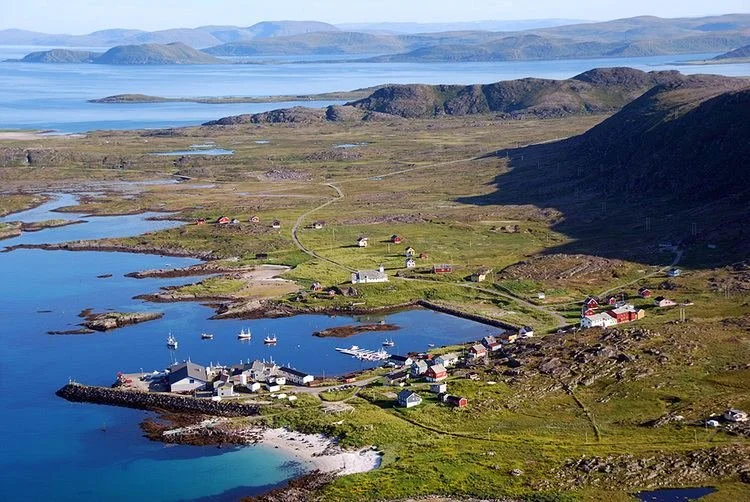
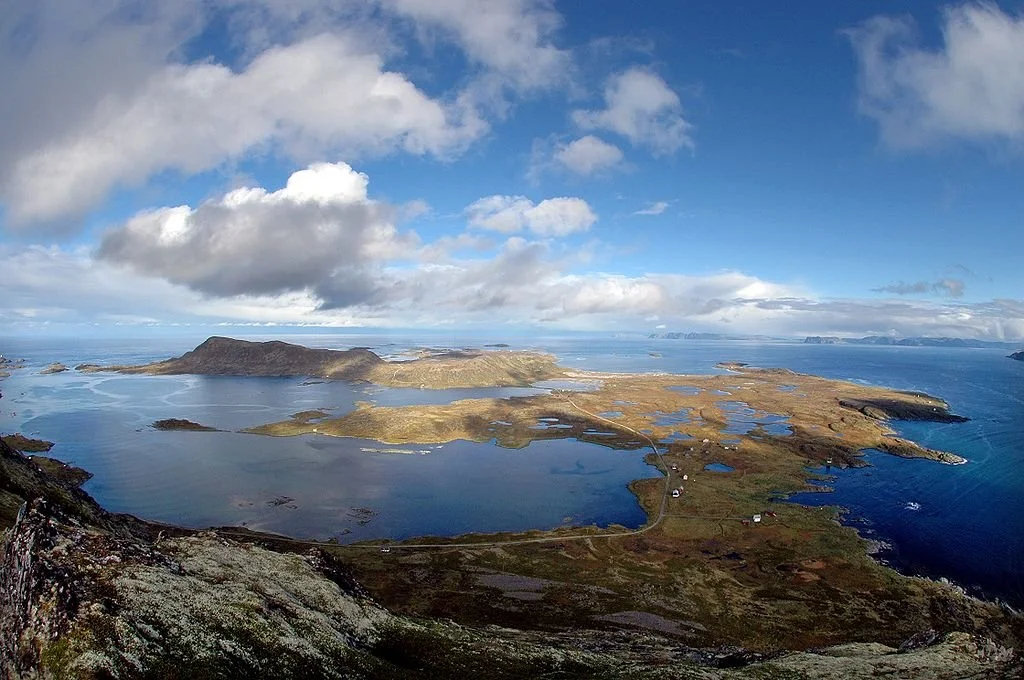
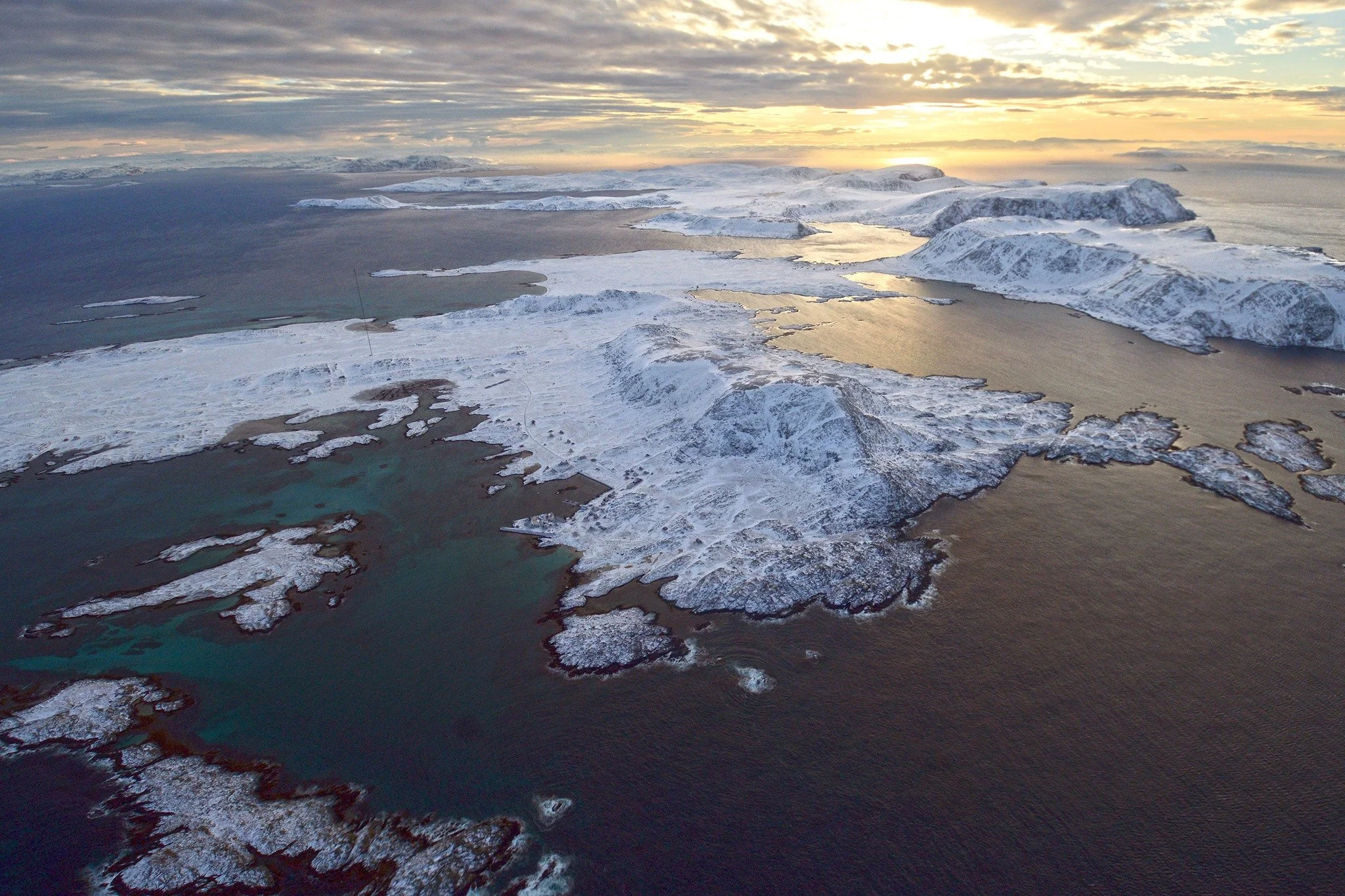
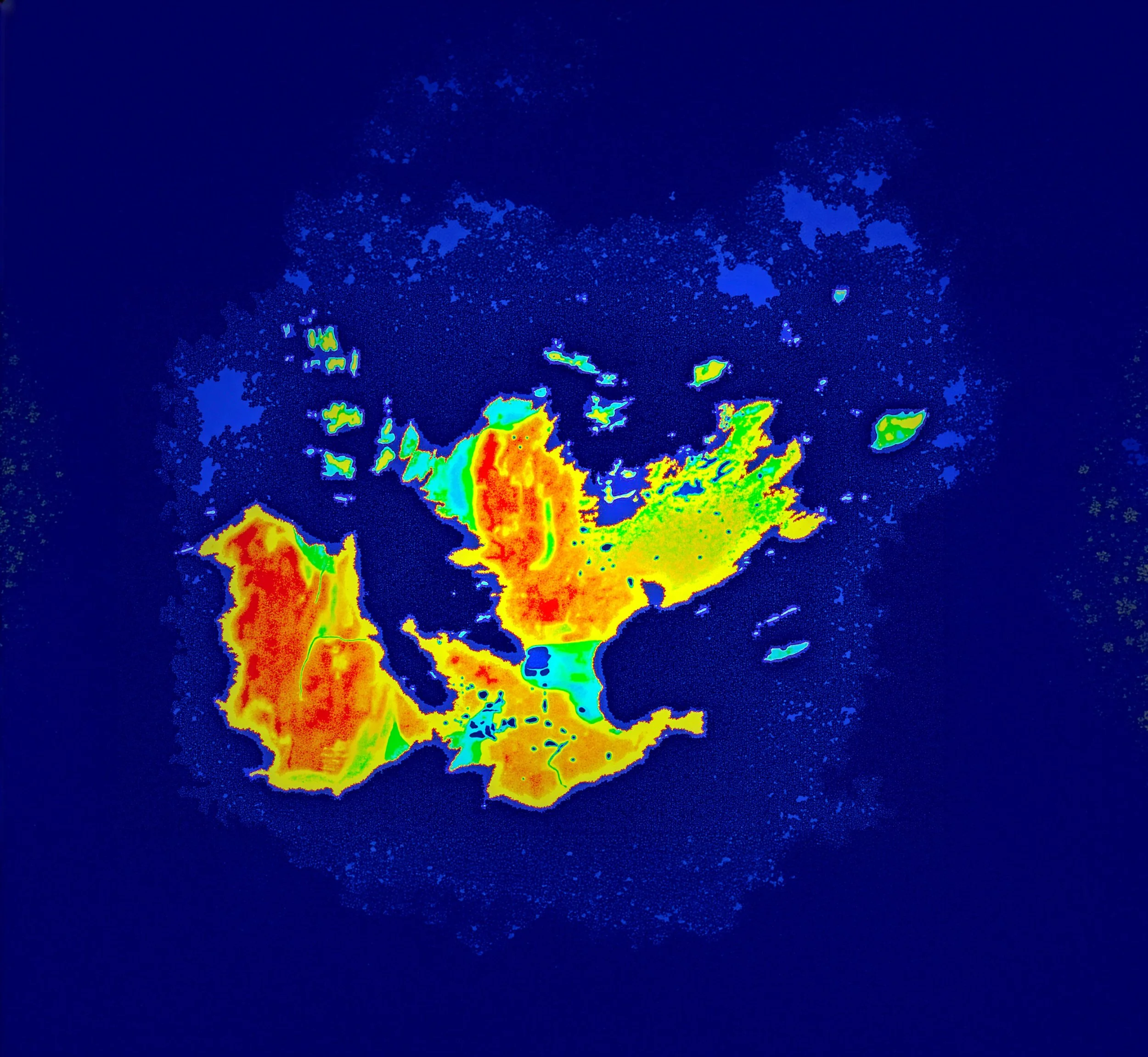
The remote Arctic island of Ingøy (71° N), off the coast of northern Norway is a fitting location for THE ISLAND IS DEAD. Home to the world’s northernmost lighthouse (Fruholmen), the wild island is lit around the clock by the Midnight Sun in spring and summer, before transforming into a snow‑covered tundra under the polar night in autumn and winter, illuminated by spectacular Northern Lights.
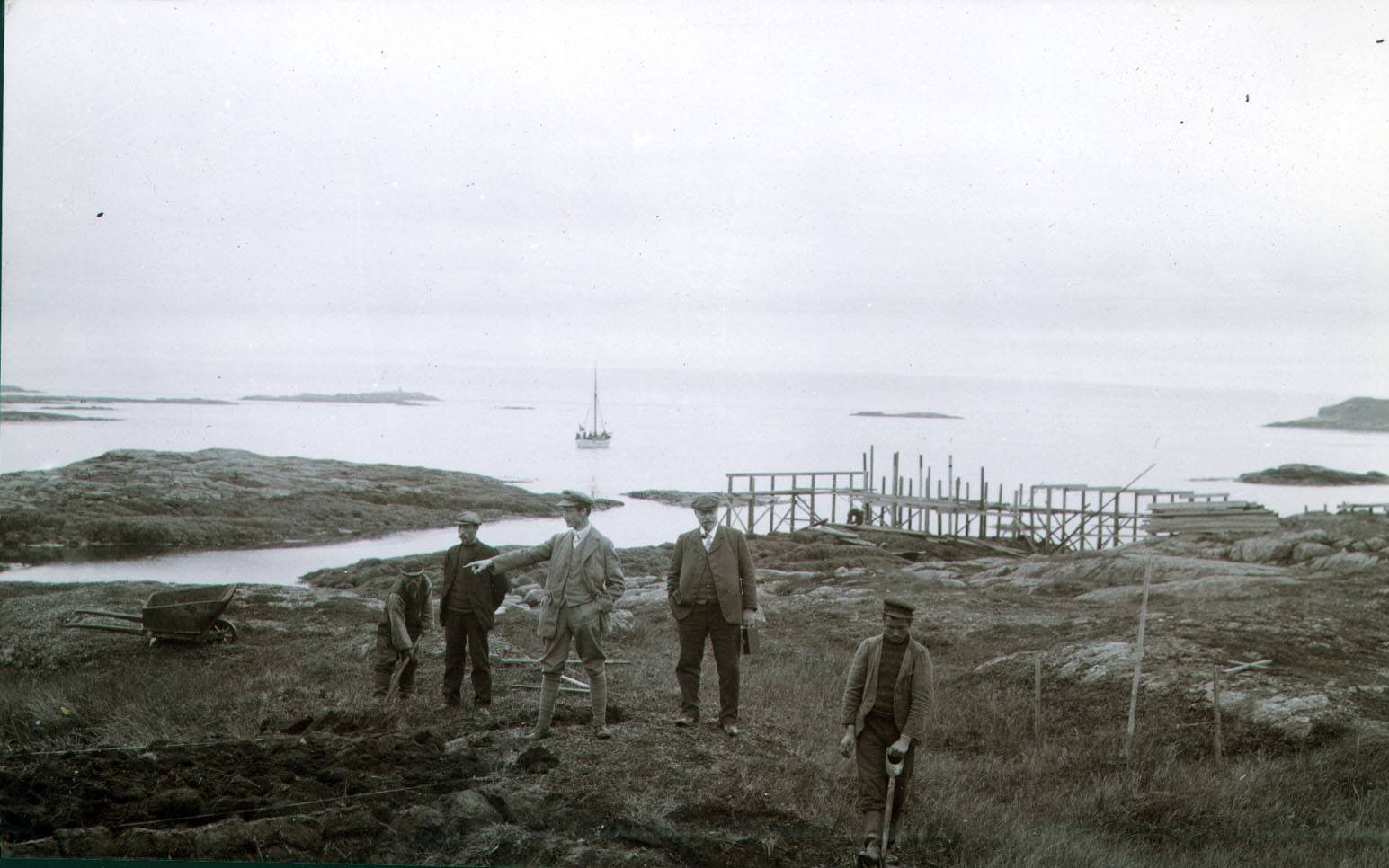
The landscape is as dramatic as its history. Occupied by Nazi forces during the Second World War, the island was burned to the ground under the scorched‑earth policy that devastated Finnmark. As a result, no building on the island is older than 1949, yet its story is far older—marked by pagan settlements, witch trials, Viking incursions, Napoleonic wars, allied bombing raids, daring rescues, hurricanes and deep‑sea whaling: life lived at the edge.
Wildlife thrives across the island’s 18 km² of windswept moorland and exposed tundra where no tree can grow: golden eagles, Arctic hares, whales, seals, seabirds and migratory geese. Freshwater lakes, brackish lagoons, cloudberry marshes, white‑sand beaches and sheer cliffs shape a place—and a people—hardened by the full force of the Arctic.
The Island is Dead is geolocated on the Arctic island of Ingøy, home to one of the worlds northernmost communities
A RECKONING WITH THE PRESENT
THE ISLAND IS DEAD centres on the affect our pasts can have on our present. Hjalmar’s journey, both across the island and internally, sees him reckon with past choices and the consequences today. The audience walking the island must also make choices - what paths to take, what story to follow. Each choice has a consequence. The fictional story has been created from actual events from the island's past, changed, dramatised and then retold at the exact locations where they took place.
Through OPEN WORLD SOUND THEATRE©, audiences experience this duality directly, inducing in them a profound sense of antithesis and comparison. Encountering this paradox naturally provokes questions around change. And right now, Ingøy and other high north/Arctic communities are undergoing seismic change.
For hundreds of years, the Arctic seas around northern Norway facilitated a natural exchange between East and West, developing a distinctive culture that existed on the boundary line between European civilisation and raw nature.
This heartland of the Sea Sámi became a truly international meeting point and the impressively agile and thriving sea trade put these once isolated islands and coastal communities right at the centre of a great communion of ideas, languages and knowledge.
Today that has drastically changed. Once bursting with life, these communities have now all but faded leaving decaying structures, empty houses and deserted docks. No longer the centre of trade and commerce, only fishermen remain, but even they now face annihilation at the hands of industrialised fishing processes and the ongoing social-ecological challenges of the climate emergency and rabid globalisation.
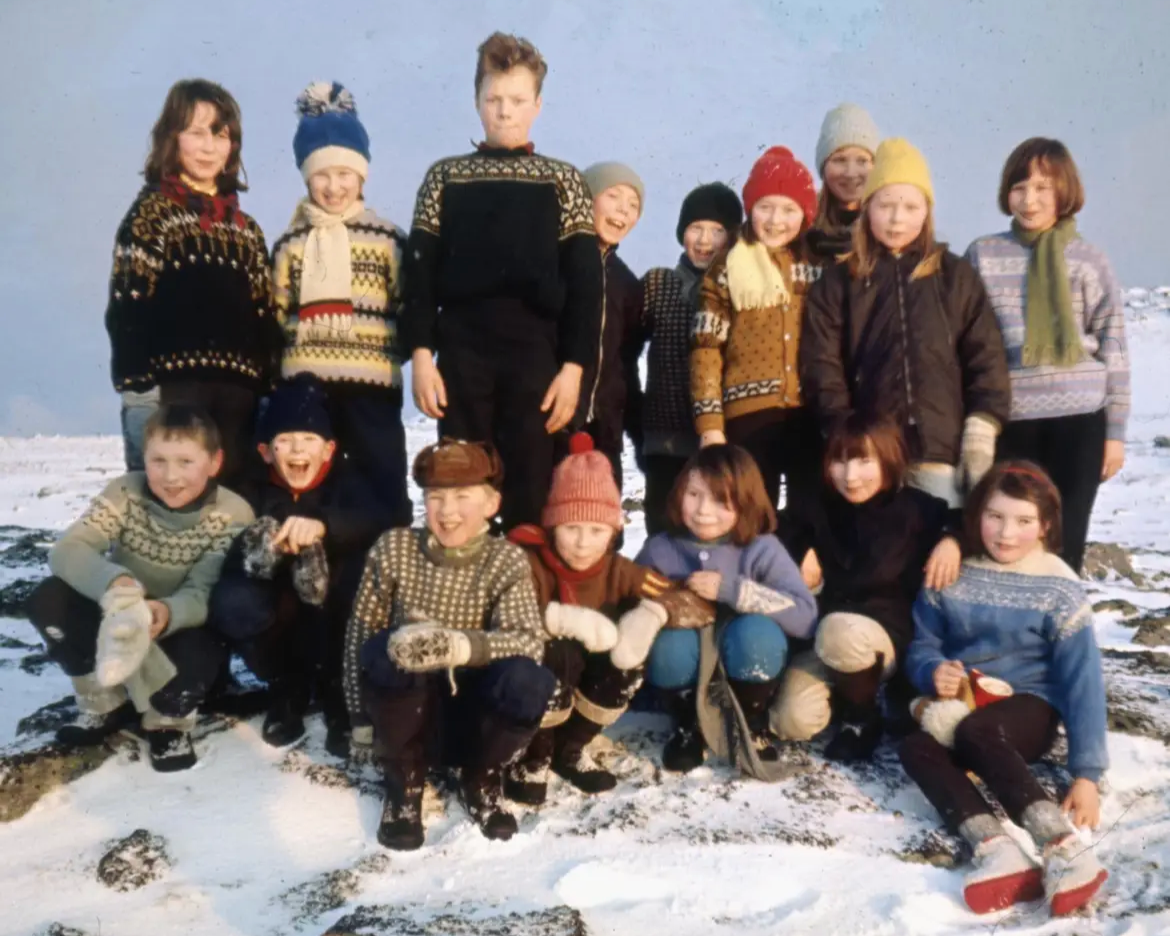
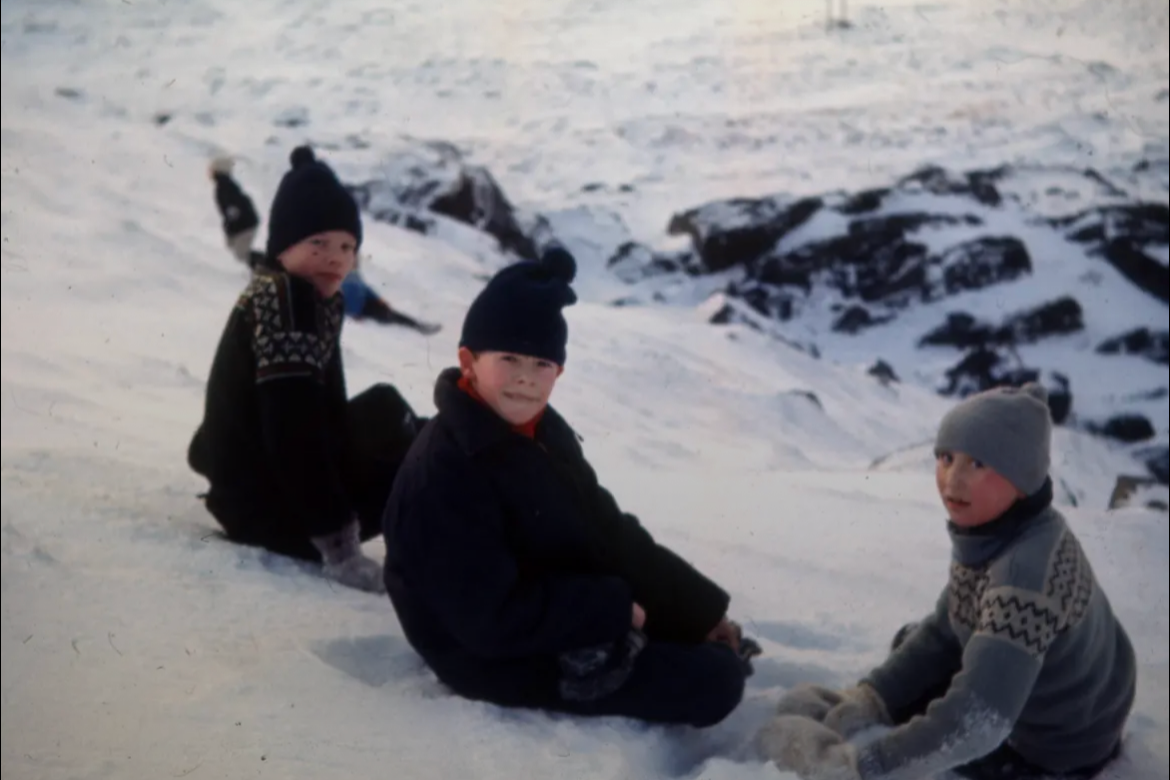
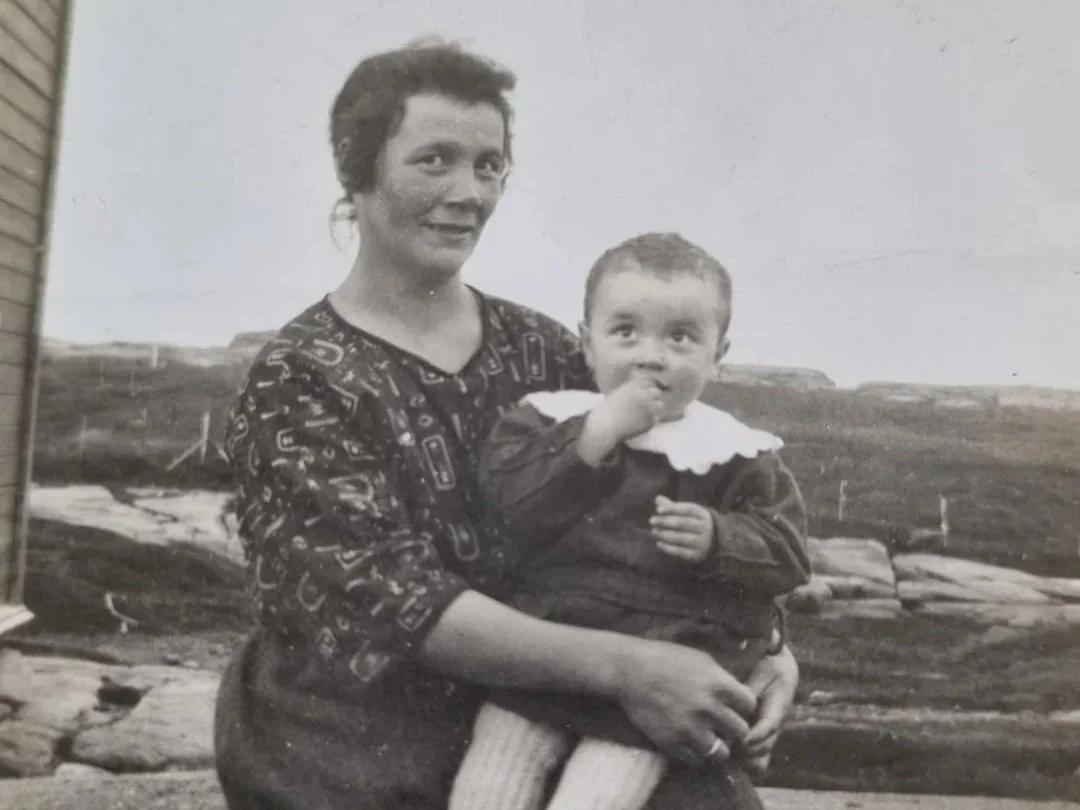
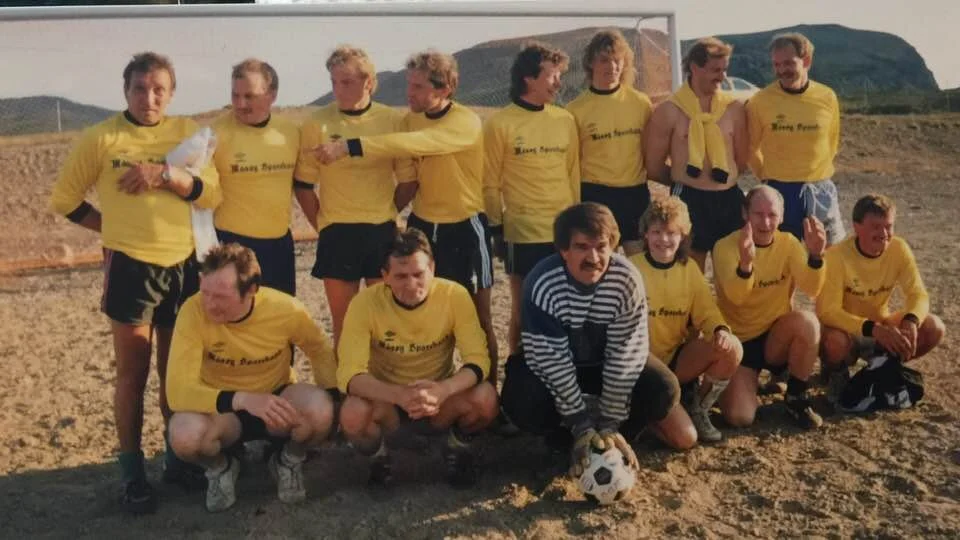
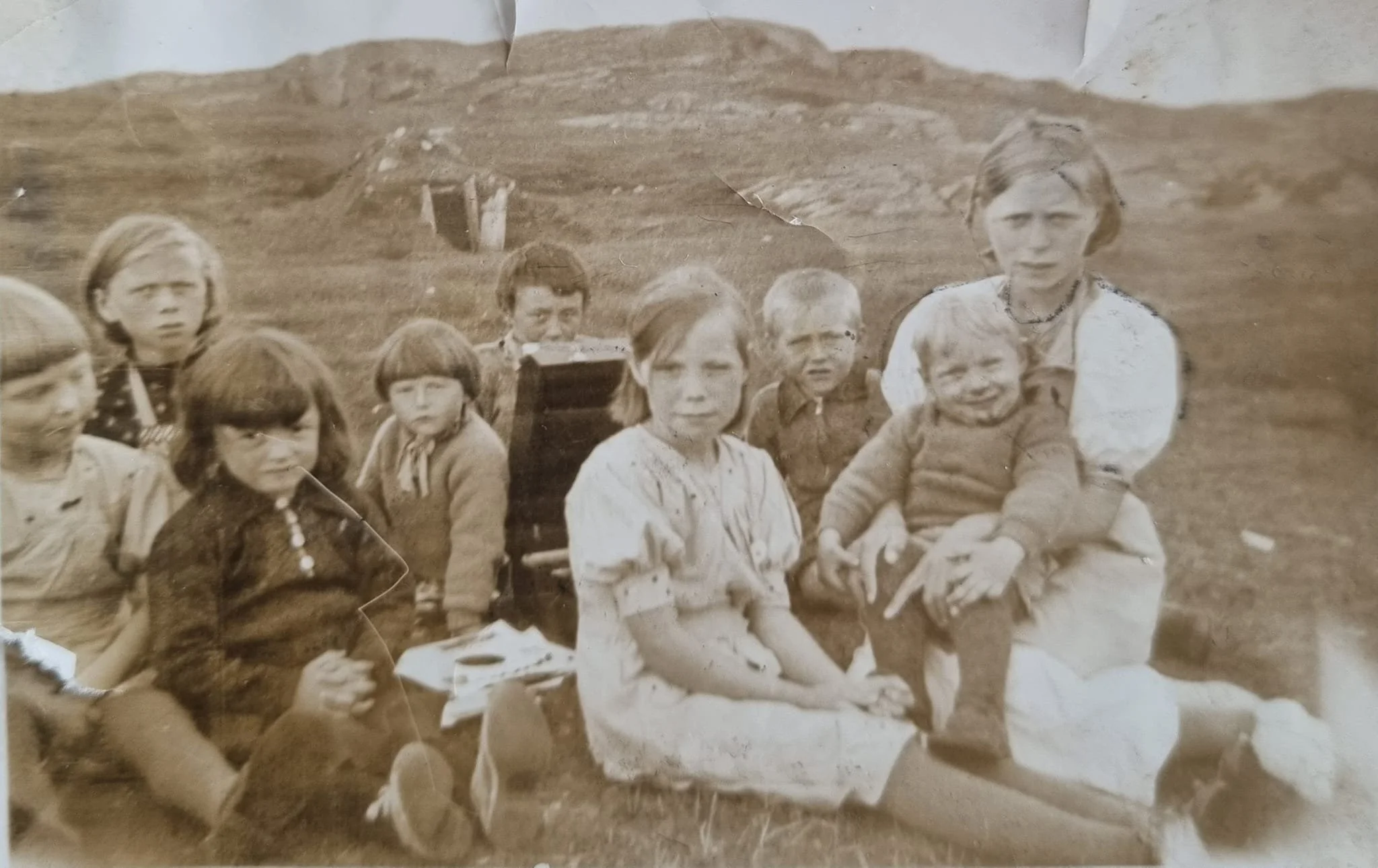
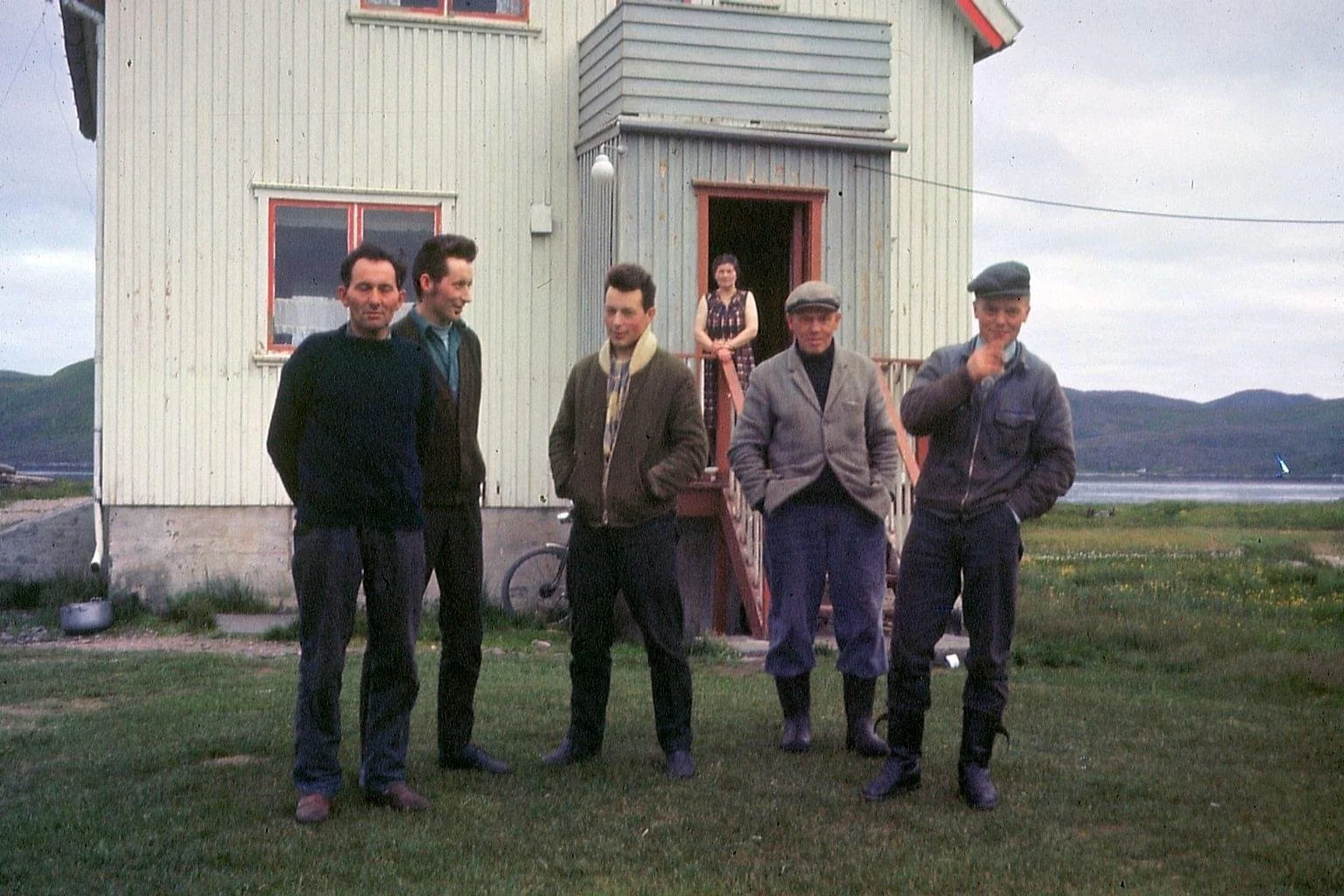
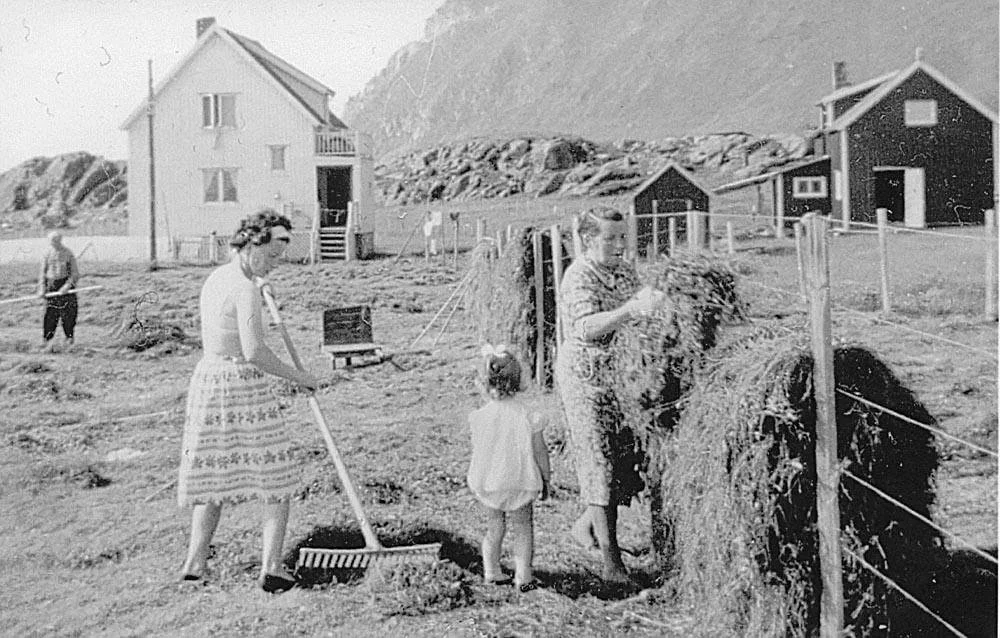
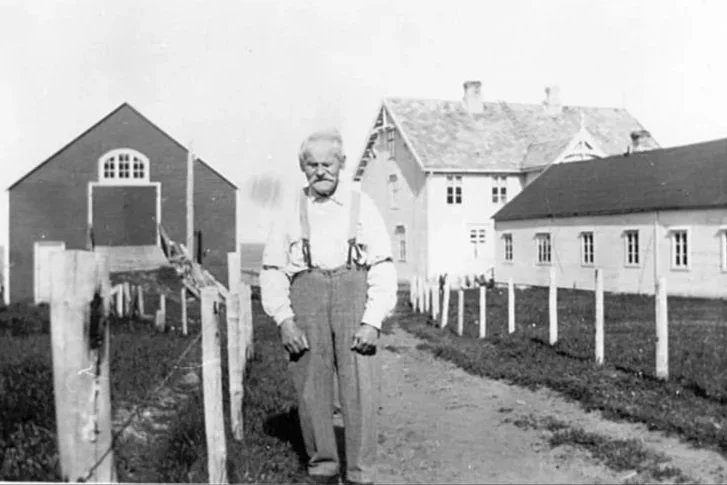
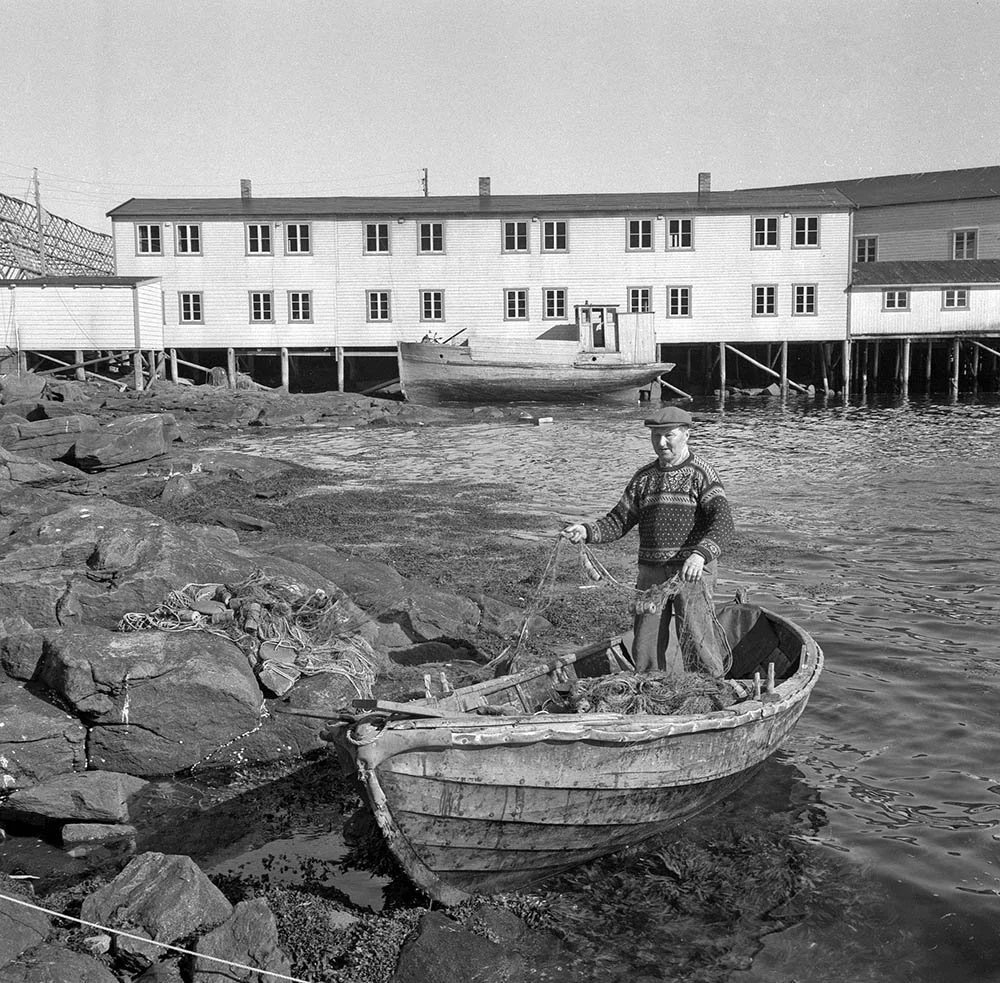
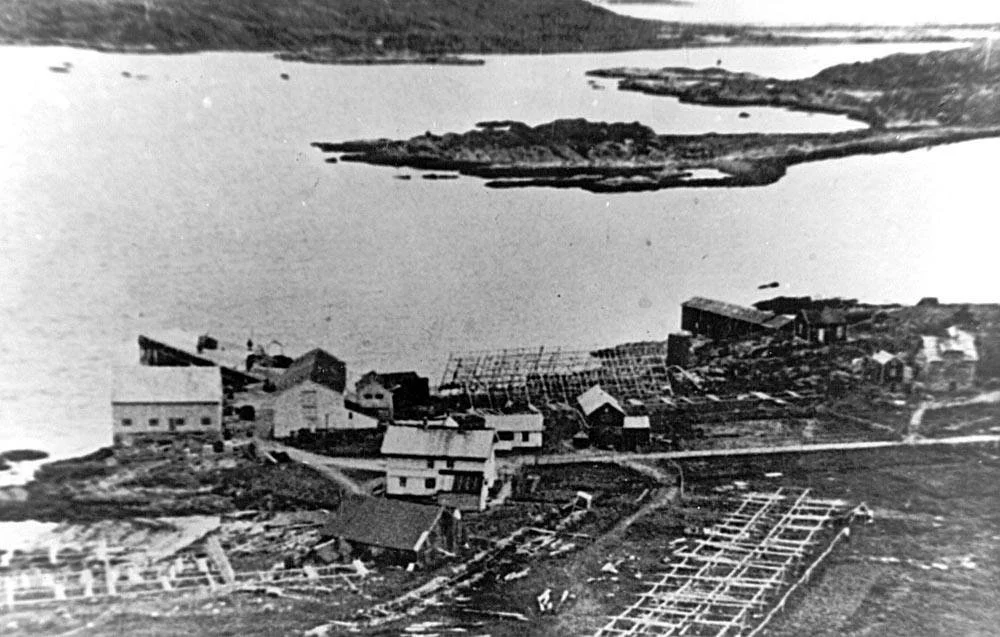
The population of Ingøy today stands at just 18 people, a massive decline from the 500+ community of just one generation ago. The swingset stands unused outside the school, the fish factory left derelict, homes fall into the sea. The truth is, the island is dead.
THE ISLAND IS DEAD brings audiences face-to-face with this difficult truth, using the past to ask questions of an uncertain future.
Can an island, and a young girl, really be brought back from the dead?








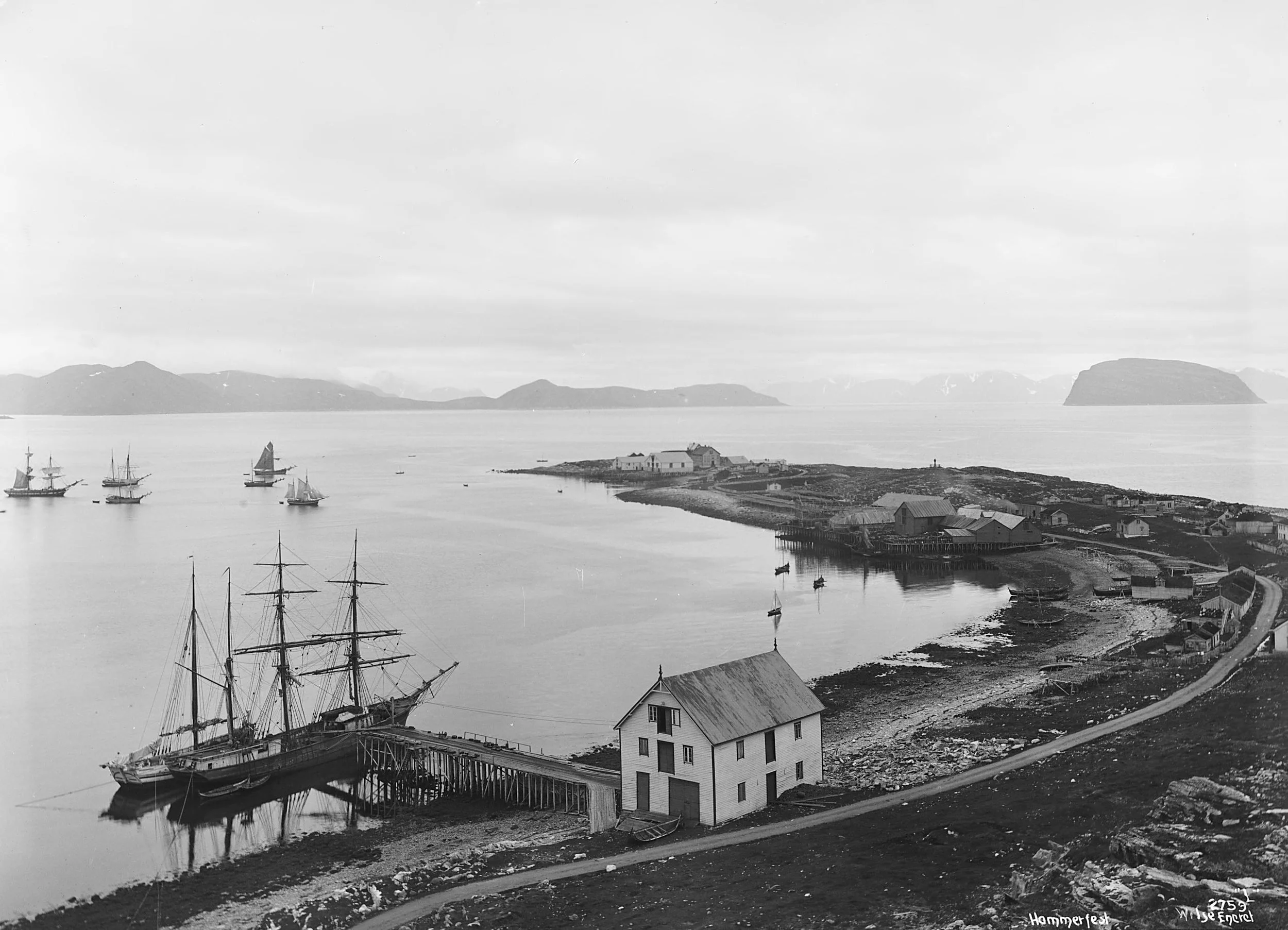
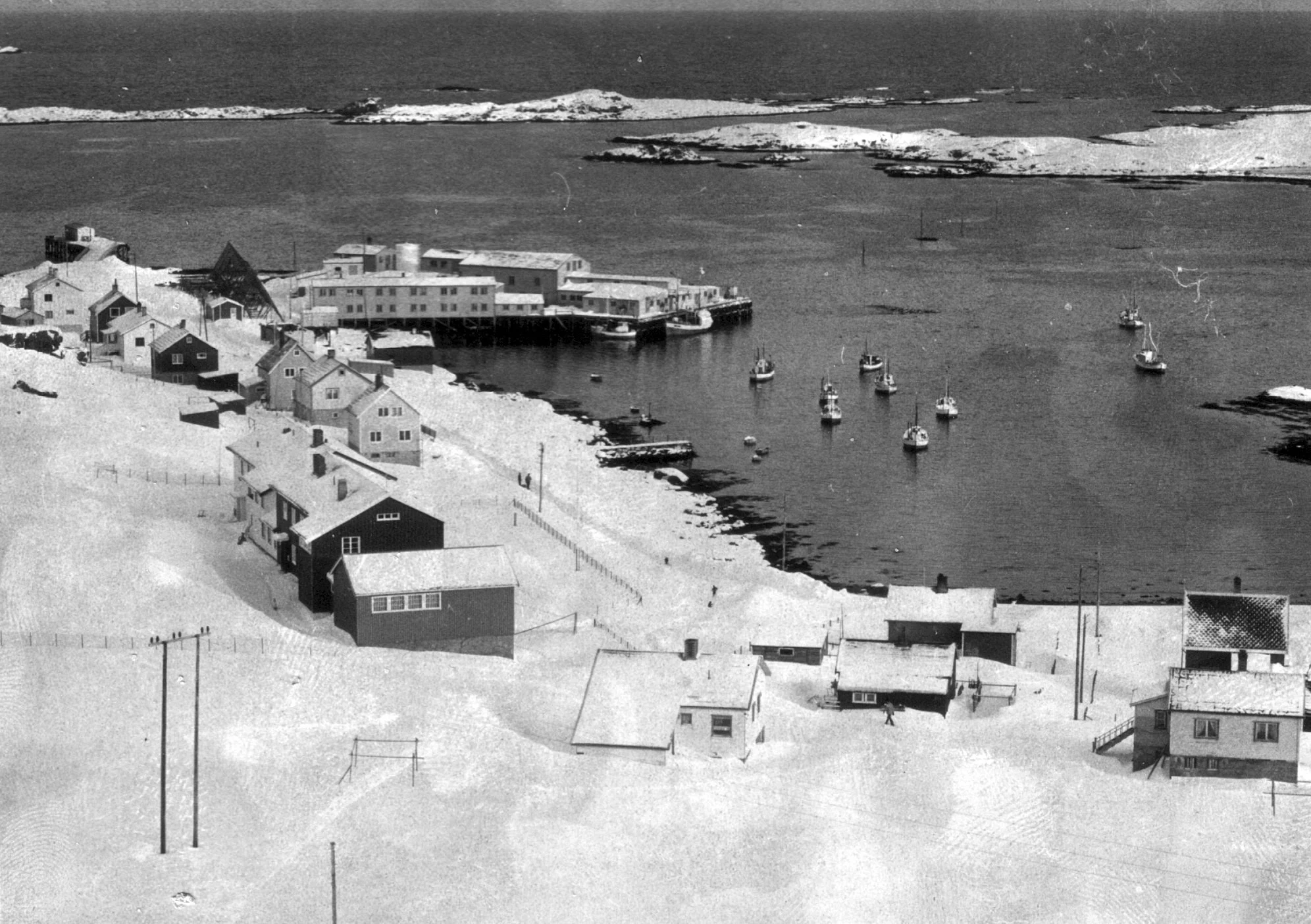

HOW TO GET HERE
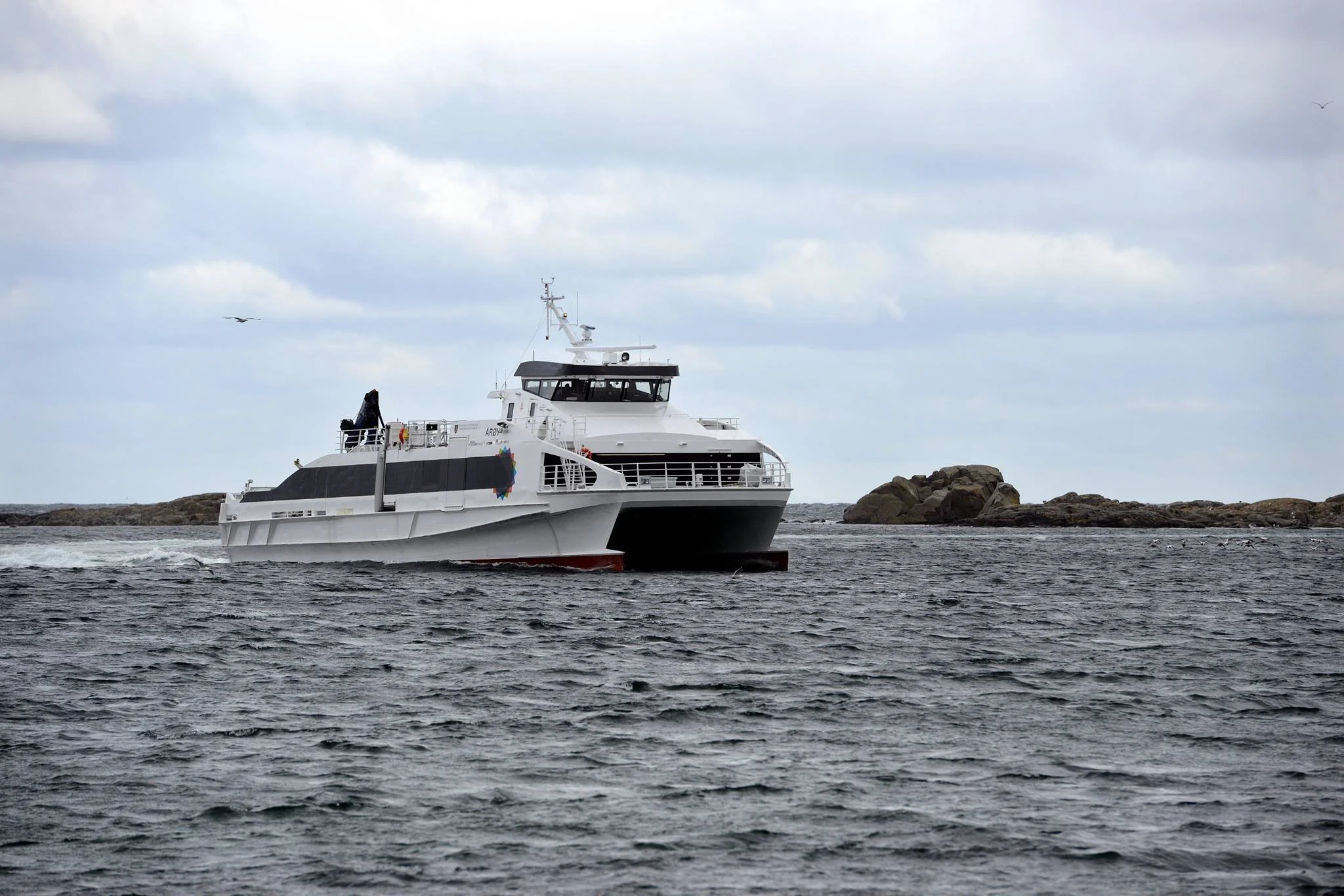
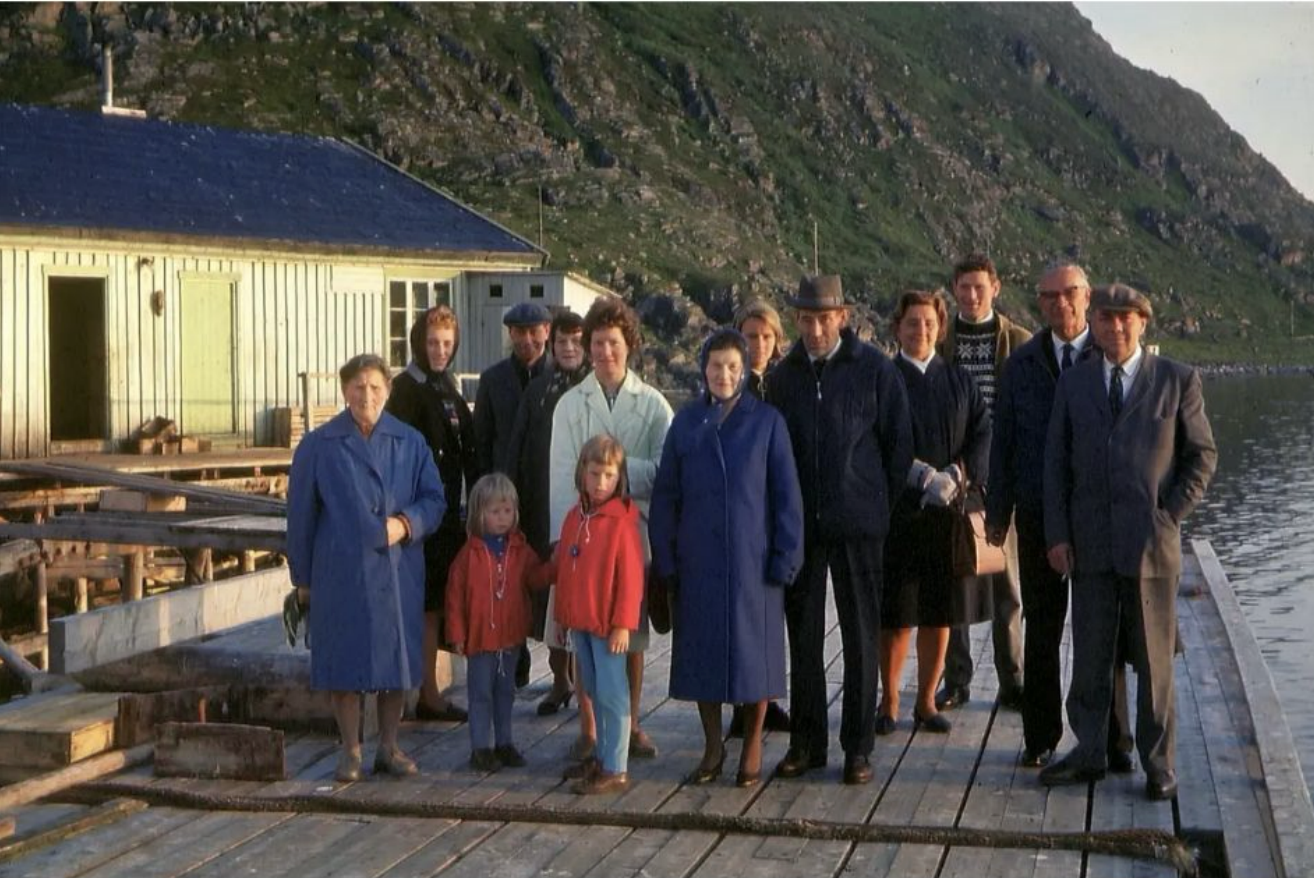
Ingøy is only accessible by boat, so getting here can be an journey in itself. If you want to experience THE ISLAND IS DEAD it does mean intrepid travel through the raw nature of the far north. But luckily it is simple to navigate, comparatively low-cost and a true adventure.
Boats to and from Alta & Hammerfest twice weekly.
Boats to and from Havøysund twice daily.
For departure, journey times and tickets please visit SNELANDIA TRAVEL PLANNER
COASTAL FERRIES - Hurtigruten & Havila
Both Hurtigruten and Havila run ferry services along the Norwegian coast. The closest stop to INGØY is Havøysund (1 hour by boat, twice daily).
INTERNATIONAL TRAVEL
Oslo - Alta
Tromsø - Hammerfest
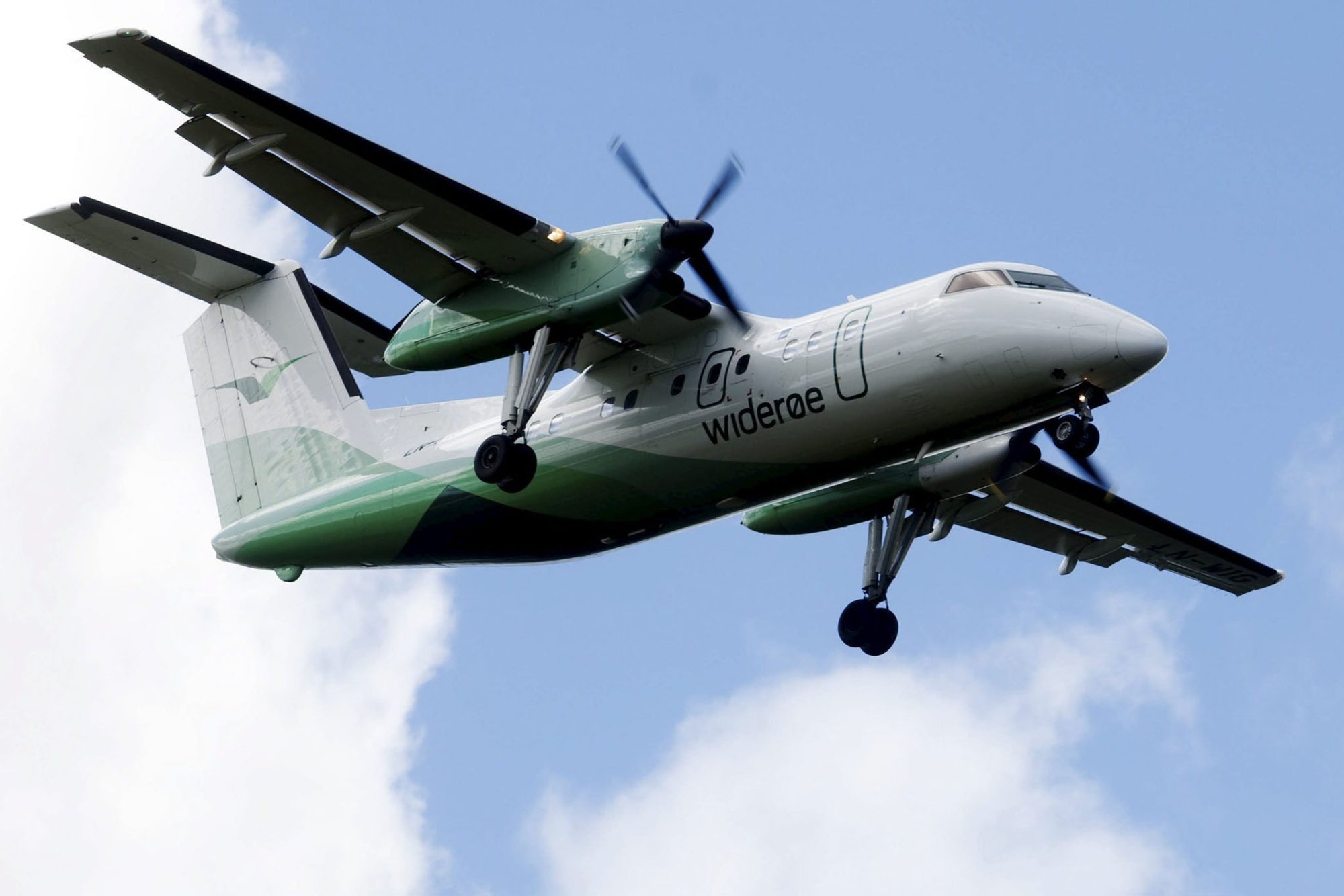
Norway’s northernmost city of Hammerfest is our closest airport and just a 40-minute flight from Tromsø international airport, but most visitors choose to arrive into Oslo, transfer flight to Alta and then onwards via boat to Ingøy. This is due to the frequency and lower cost of international flights to Oslo and Alta.
Oslo airport is an international hub with direct flight to and from most of the world. Tromsø Airport has direct flight routes from London, Frankfurt, Dusseldorf, Munich, Gdansk, Stockholm, Copenhagen, Milan and Zurich.
Below are examples travel itineraries.
Oslo - Alta Route. Example: UK
Flight: 07.05 London Heathrow - Oslo 10.15 (2hr)
Flight: 12.00 Oslo - Alta 13.55 (2hr)
Boat: 14.45 Alta - Hammerfest 16.20 (1hr 45min)
Boat: 16.40 Hammerfest - Ingøy 18.25 (1hr 40min)
(Approx 9 - 10 hours. Cost between £200 - £350 Return)
Tromsø - Hammerfest Route. Example: UK
Flight: 10.00 London Gatwick - Tromsø 14.30 (3h 30min)
Flight: 15.20 Tromsø - Hammerfest 16.10 (40min)
Boat - 17.45 Hammerfest - Ingøy 19.25 (1h 40min)
(Approx 7 - 8 hours total. Cost between £300 - £480 Return)